Programs
Programs
Detailed pathways for Phonics and Reading and Comprehensive English, alongside writing and interview classes offered at The Classroom.
N1 – P1
Phonics and Reading
Enabling students to become a strong independent reader
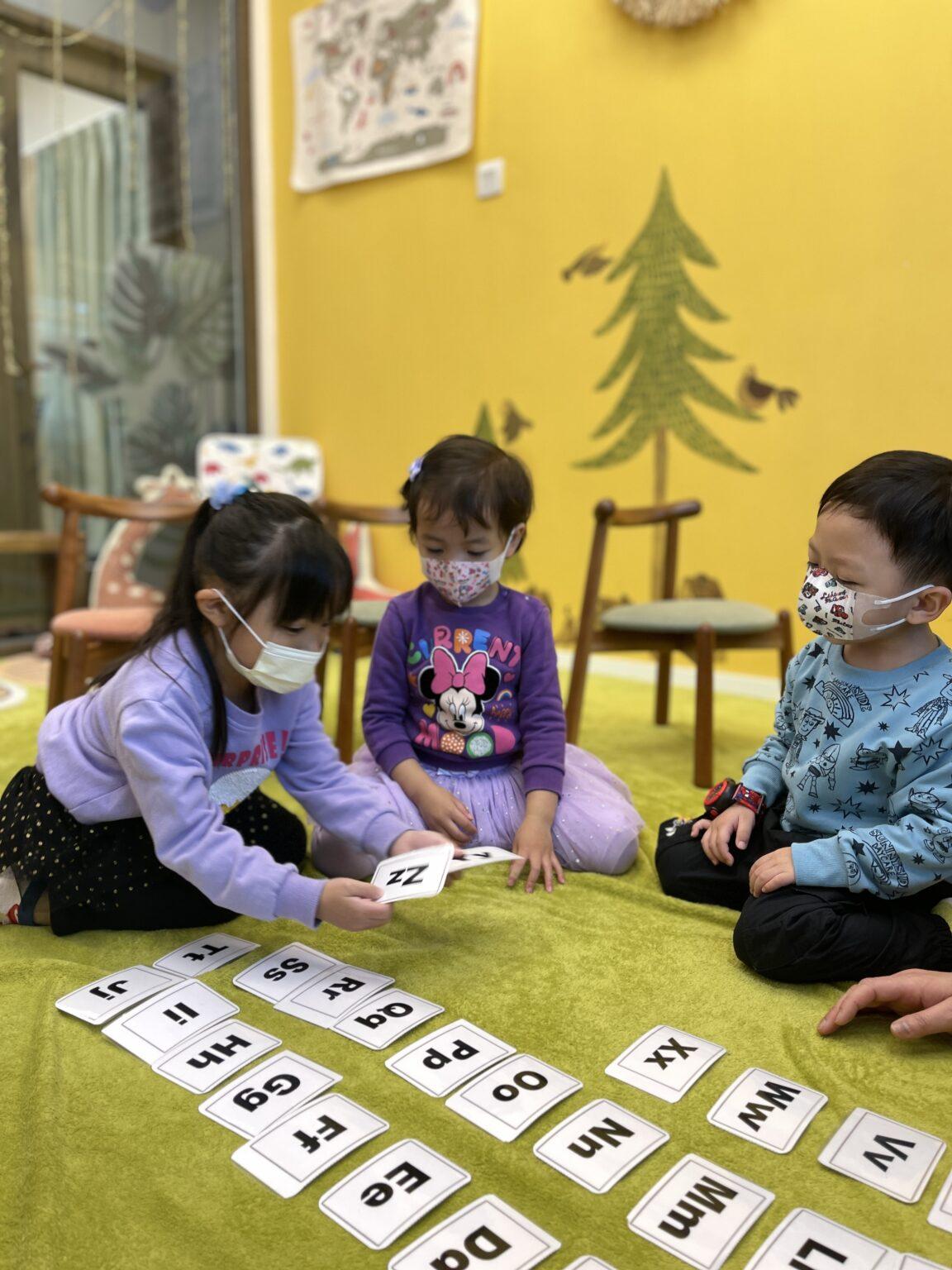
Phonics level 1
- A - Z Letter names and sounds
- Two - three letters blending
Oxford Reading Tree Stage 1 – 2
Skills
- Recognising letters by name and sounds
- Able to sound out 3-letter blends
Phonics level 2
- Short Vowel & Long Vowel
- Sight Words
Oxford Reading Tree Stage 3 – 4
Skills
- Identifying and understanding short and long vowels
- Sounding out long vowels in words
Phonics level 3
- Consonant Blends, Soft Sounds
- Unseen Dictation Skills
Oxford Reading Tree Stage 5
Skills
- Independently sound out consonant blends
- Possess an expanded year-level appropriate vocabulary
Phonics level 4
- Vowels Diphthongs
- 3 - 4 Syllables Words Spelling and Unseen Dictation
- Junior Chapter Book Reading
Skills
- Recognising and reading tricky words (ie trapezoid)
- Sounding all vowel diphthongs and r-controlled vowels
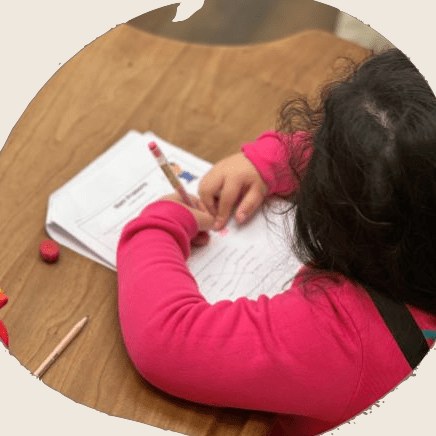
Phonics level 5
- Consonant Digraphs
- Counting Syllables
- 4 or More Syllables Words Spelling and Unseen Dictation
Skills
- Able to accurately count syllables
- Recognising consonant digraphs and blends
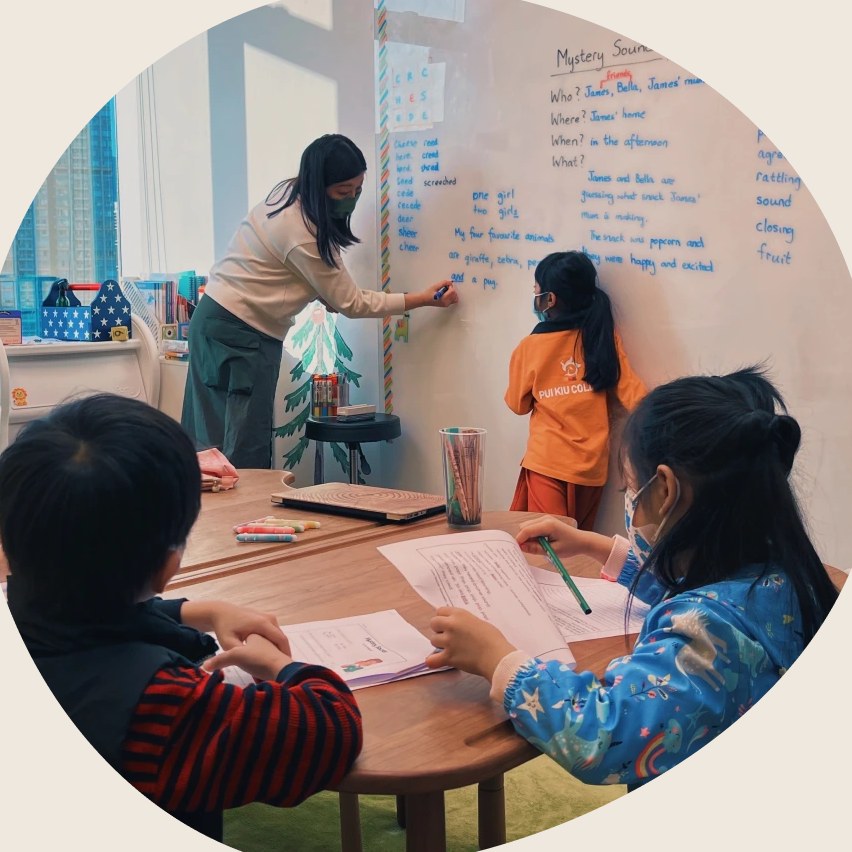
Phonics level 6
- Silent Sounds
- Homophones Song
- Listening and Dictation
Skills
- Fluency of silent letters in words
- Identify and sound out soft and hard sounds in words
- Blindly dictate year-level appropriate words
K3 – P6
Comprehensive English
Sowing the seeds for students to build strong English grammar
Foundation Level - for Kindergarteners to Primary 1 students
- Show how grammar works in texts. Provide a clear link between a piece of grammatical knowledge.
- Reading comprehension encourages reading. Encourage language play by making room for discussion and how authors use it to create meaning in texts.
- Put ideas and thoughts into writing.
Oxford Reading Tree Stage 1 – 2
Skills
- Recognising letters by name and sounds
- Able to sound out 3-letter blends
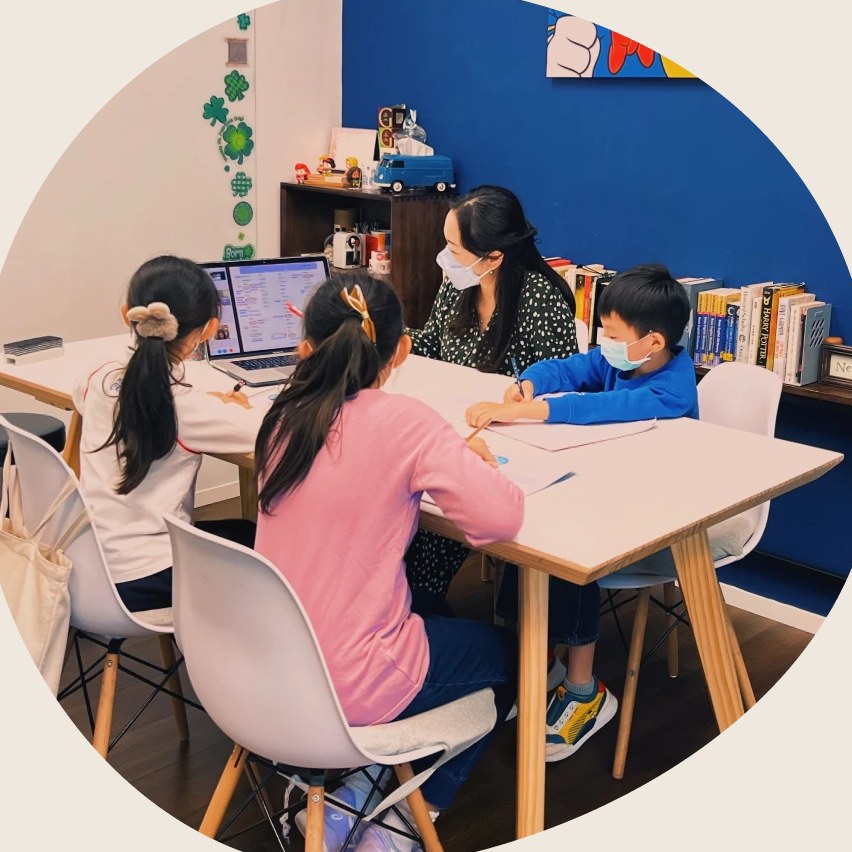
Level 1 – for K3 to Primary 1 students
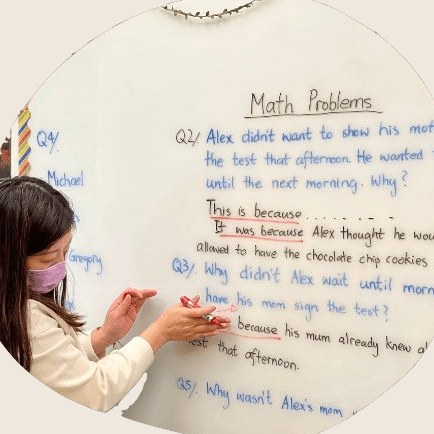
- Focus on parts of speech in lessons, such as nouns, pronouns, verbs, and prepositions. Learn specific and important language functions such as singular and plural nouns, question words, types of sentences, and demonstratives.
- Recognition of tenses, and their uses in different texts.
- Develop sentence and paragraph structure.
- Speak in proper English with correct grammar.
- Understand and analyze stories with characters, settings, problems, and solutions.
Skills
- Recognising and reading tricky words (ie trapezoid)
- Sounding all vowel diphthongs and r-controlled vowels
Level 2 – for Primary 1 to Primary 2 students
- Focus on parts of speech in lessons, such as adjectives, adverbs of manner, prepositions etc.
- Usage of tenses, such as past tense, present tense, and present continuous tense.
- Enhance and enrich grammar usage and vocabulary to help the students master writing techniques.
- Encourage students to read advanced fiction and non-fiction books to promote an understanding of literature and improve their reading speed.
Level 3 – for Primary 2 to Primary 3 students
- Learn language techniques such as Comparative and Superlative adjectives, Similes & Metaphors, Synonym & Antonym etc.
- Enhance and enrich vocabulary with reading and comprehension
- Reading and comprehension exercises, focusing on reading, discussing, and writing advanced stories, poems, plays, informational books, and articles
- Written and oral reporting on a topic, telling a story or recounting an experience in presentation clearly to help express ideas

Level 4 – for Primary 3 to Primary 4 students
- Focus on parts of speech in lessons, such as nouns, pronouns, verbs, and prepositions. Learn specific and important language functions such as singular and plural nouns, question words, types of sentences, and demonstratives.
- Vocabulary building and actively engaging with a variety of rich and challenging texts to build a foundation of knowledge in literature.
- Clear, conventional presentation and explanation of advanced-level grammar points to build student confidence in reading and writing.
Level 5 – for Primary 5 to Primary 6 students
- Focus on Perfect Tenses, Causative Verbs, Gerunds, Infinitives, and Bare Infinitives, Prepositions with parts of speech, phrasal Verbs, Indefinite Pronouns, and Double negatives.
- To learn figurative language, such as tropes, idioms, oxymoron, personification…etc. to strengthen skills of expression through the written medium while learning literary terms and how to effectively use them engagingly.
- Build up confidence and presentation skills to get ready for secondary school interviews.
Level 6 – for Primary 6 to Secondary students
- Focus on Perfect Tenses, Causative Verbs, Gerunds, Infinitives, and Bare Infinitives, Prepositions with parts of speech, phrasal Verbs, Indefinite Pronouns, and Double negatives.
- Learn to understand the exact meaning of something they read and the implications through word choice, tone, and use of language.
- Decide whether a writer’s argument has enough evidence and reasoning to back it up through reading non-fictional articles.
- Develop a vocabulary of academic words and phrases to use in writing and discussion.
- Make sense of figures of speech and presentation skills based on the text in which they’re used.
Skills
- Recognising and reading tricky words (ie trapezoid)
- Sounding all vowel diphthongs and r-controlled vowels

K3 – P6
Writing Class
Comprehension & Writing
Creative Writing
Junior Writer
English Literature
K2
P1 Interview Class
Equipping students academically & emotionally for school interviews.
See also K2 (Prepare for Interview) on the curriculum page.
Talk to us
We are always happy to help
If you’d like to discuss how our education experiences could inspire you, pupils or students, please do not hesitate to get in touch. We’re always happy to help!